
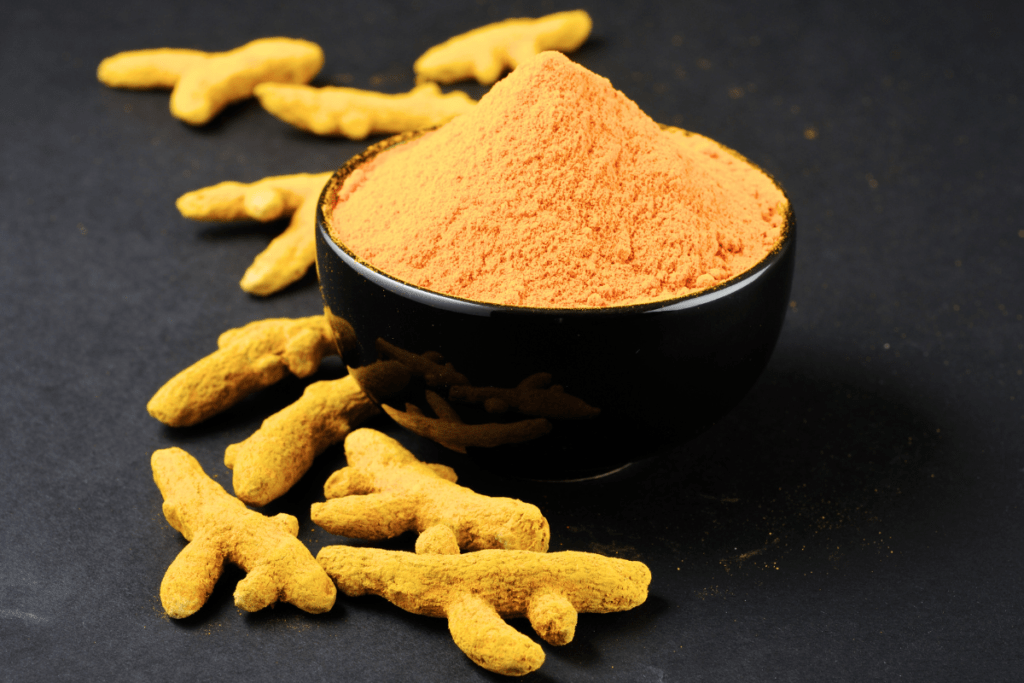
Turmeric has long been revered for its vibrant yellow color, earthy flavor, and exceptional health benefits. Known as “the golden spice,” turmeric is derived from the root of the Curcuma longa plant, native to Southeast Asia. Its main active compound, curcumin, is responsible for many of its health-promoting properties. From improving digestion to boosting brain function and promoting healthy skin, turmeric can be a natural remedy for many common health concerns.
Here, we will explore the numerous benefits of turmeric, its different forms, including turmeric tea, powder, soap, and supplements, and even touch on its potential side effects.
1. The Incredible Health Benefits of Turmeric
Turmeric has a long history of being used in traditional medicine, particularly in Ayurvedic and Chinese practices. Modern science has confirmed many of its incredible health benefits, which are primarily attributed to curcumin, the compound that gives turmeric its vibrant color.
Anti-inflammatory Properties
One of the most well-known benefits of turmeric is its powerful anti-inflammatory properties. Chronic inflammation is linked to several health conditions, including arthritis, heart disease, and even cancer. Curcumin in turmeric helps reduce inflammation at a molecular level, which can benefit individuals suffering from inflammatory conditions like osteoarthritis or rheumatoid arthritis. Regular consumption of turmeric can alleviate pain, stiffness, and swelling in the joints.
Antioxidant Power
Curcumin is also a potent antioxidant, meaning it helps neutralize free radicals in the body and reduces oxidative stress. Free radicals can cause cellular damage and contribute to the aging process, as well as the development of various diseases. By including turmeric in your diet, you can support your body’s natural defense against oxidative damage, helping to protect cells from premature aging and chronic conditions.
Brain Health and Cognitive Function
Turmeric has been shown to support brain health, thanks to its ability to increase the levels of a protein called brain-derived neurotrophic factor (BDNF). BDNF plays a crucial role in maintaining healthy brain function and stimulating the growth of new brain cells. Some studies suggest that curcumin may help delay or prevent age-related cognitive decline and may be a potential ally in managing conditions like Alzheimer’s disease.
Heart Health
Curcumin may also benefit cardiovascular health by improving endothelial function—the lining of your blood vessels. A healthy endothelium is essential for regulating blood pressure, blood clotting, and overall heart health. Turmeric’s anti-inflammatory and antioxidant properties can help reduce the risk of heart disease by promoting healthy blood flow and reducing the factors that contribute to plaque buildup in arteries.
2. Turmeric Tea: A Soothing and Beneficial Drink
One of the easiest and most enjoyable ways to incorporate turmeric into your daily routine is through turmeric tea. Known as “golden milk” or “turmeric latte” when made with milk, this warming beverage is loaded with anti-inflammatory compounds and is great for calming both the body and the mind.
How to Make Turmeric Tea
To make a simple turmeric tea, simply steep 1-2 teaspoons of turmeric powder in hot water. For added benefits and flavor, you can combine turmeric with other healing ingredients like ginger, cinnamon, or honey. Adding black pepper to your tea helps enhance curcumin absorption, making the tea even more effective. Some people also choose to add coconut oil or a small amount of ghee to improve the bioavailability of curcumin.
Benefits of Turmeric Tea
Drinking turmeric tea regularly can help support digestive health, reduce bloating, and provide relief from an upset stomach. The anti-inflammatory properties of turmeric can ease discomfort from conditions like IBS (Irritable Bowel Syndrome) or indigestion. Furthermore, turmeric tea may also help improve mood and sleep quality, making it a perfect evening drink to wind down after a long day.
3. Turmeric Powder: Versatile and Easy to Use in Cooking
Turmeric powder is incredibly versatile and can be incorporated into a wide variety of dishes. Whether you’re cooking curries, soups, stews, or even smoothies, adding turmeric powder can boost the flavor and provide additional health benefits. Its warm, slightly bitter flavor is a staple in Indian cuisine, but you can experiment with turmeric in different types of recipes to add a unique twist.
Turmeric in Smoothies
Adding turmeric to your morning smoothie is an easy way to reap its health benefits. Combine it with other nutrient-rich ingredients like spinach, ginger, or mango to create a refreshing, antioxidant-packed drink that supports both your immune system and overall wellness.
Golden Milk: A Traditional Remedy
Golden milk, made by mixing turmeric powder with milk (or plant-based alternatives), has become increasingly popular for its healing properties. This comforting drink is often consumed in the evening to help promote relaxation and reduce inflammation. A cup of golden milk before bed can be a soothing way to promote joint health, ease digestive discomfort, and get a restful night’s sleep.
4. Turmeric Soap: Nourishing Your Skin Naturally
While most people are familiar with turmeric’s internal benefits, it’s also incredibly effective for external use. Turmeric soap is gaining popularity for its ability to improve skin health, thanks to its antibacterial, anti-inflammatory, and antioxidant properties.
Benefits of Turmeric Soap
Turmeric soap can help reduce acne, blemishes, and other skin conditions. Its anti-inflammatory properties can calm irritated skin, reduce redness, and provide relief for conditions like eczema or psoriasis. Additionally, turmeric has been shown to lighten dark spots and brighten the skin, making it a great option for those looking to even out their complexion.
For best results, look for turmeric soap made with natural, organic ingredients, and try using it daily as part of your skincare routine. Regular use can help you achieve smooth, glowing skin without harsh chemicals.
5. Turmeric Supplements: Convenient Health Boost
For those who find it challenging to consume enough turmeric through food and beverages, turmeric supplements offer a convenient alternative. These supplements typically contain concentrated doses of curcumin, the active ingredient in turmeric, and are often paired with black pepper extract (piperine) to enhance absorption.
Why Take Turmeric Supplements?
Taking turmeric supplements can be beneficial if you want to target specific health issues, such as joint pain, inflammation, or cognitive function. Some people find that the amount of turmeric needed to achieve therapeutic effects through food or drink can be too high or difficult to incorporate into their daily diet. Turmeric supplements provide a simple, concentrated option for those seeking the health benefits of curcumin without the need for cooking or brewing tea.
6. Potential Side Effects of Turmeric
Although turmeric is generally considered safe for most people when consumed in moderation, it’s important to be aware of potential side effects, especially when taking high doses or using it as a supplement.
Digestive Issues
High doses of turmeric or curcumin can sometimes cause digestive issues such as bloating, diarrhea, or an upset stomach. If you experience any discomfort after consuming turmeric, consider reducing your dosage or switching to a different form (such as turmeric tea) that might be easier on your digestive system.
Interactions with Medications
Turmeric can interact with certain medications, particularly blood thinners, due to its natural anticoagulant properties. If you’re taking medication for blood pressure, diabetes, or any blood-thinning drugs like warfarin, it’s important to consult with a healthcare provider before adding large amounts of turmeric to your diet.
Risk for Pregnant Women
While turmeric is generally safe in food amounts, pregnant women should be cautious with turmeric supplements or large doses, as high amounts of turmeric may stimulate uterine contractions. Always consult with a doctor if you’re pregnant or breastfeeding before using turmeric in supplement form.
Conclusion: Incorporate Turmeric for a Healthier Life
From its anti-inflammatory benefits to its ability to enhance skin health and promote heart health, turmeric is one of nature’s most powerful healing ingredients. Whether you choose turmeric tea, powder, supplements, or soap, adding turmeric to your daily routine can improve your overall health and well-being. Just be mindful of potential side effects and always consult a healthcare provider if you’re unsure about the best way to incorporate it into your lifestyle. Embrace the golden spice and enjoy its many benefits today!