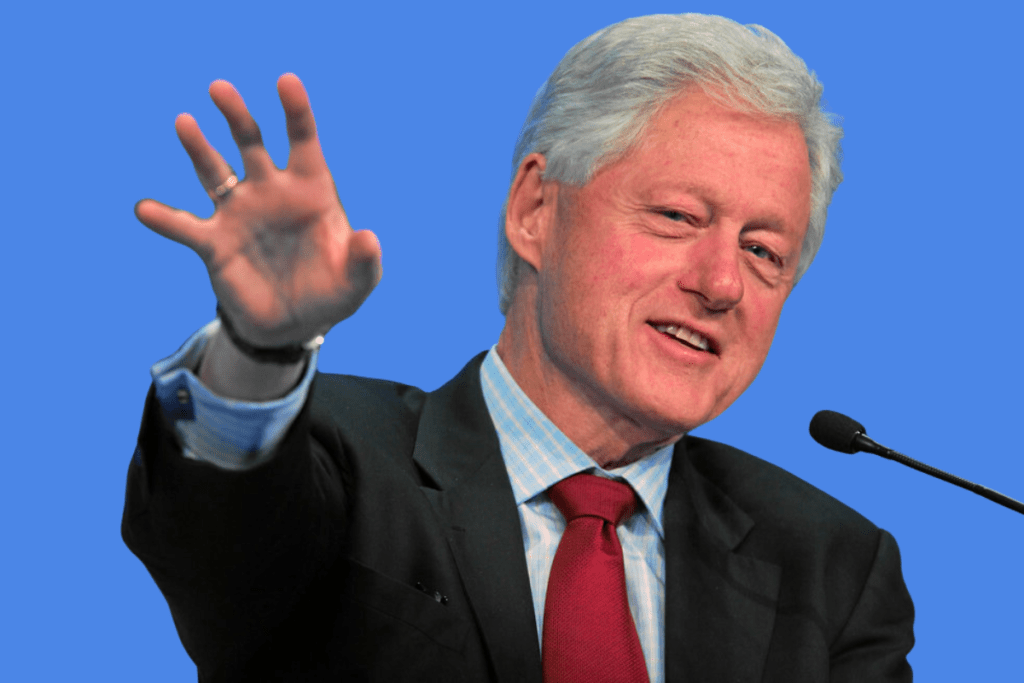
In a candid conversation with DealBook Summit moderator Andrew Ross Sorkin, former President Bill Clinton opened up about the current state of politics, the 2024 presidential election, and his personal reflections on past decisions, including his regrets surrounding the Israeli-Palestinian peace process. His insights touched on a wide range of topics, from Joe Biden’s pardon of his son Hunter to the challenges faced by Vice President Kamala Harris in her presidential bid. Here are some of the most significant takeaways from Clinton’s discussion.
1. The 2024 Election: Bill Clinton on Why Kamala Harris Struggled
As the Democratic Party continues to assess the outcome of the recent election and why things went wrong, Bill Clinton offered his perspective on one of the key figures in the race: Vice President Kamala Harris. He explained that the decision for President Joe Biden to drop out of the race created a chaotic situation, one where “nobody had a plan because nobody knew what was going to happen.” Clinton expressed that this lack of clarity made the primary process especially difficult.
In his view, Harris wasn’t given enough time or opportunity to introduce herself as a viable presidential candidate. “What happened was Kamala Harris was a stranger to them,” Clinton said, referring to the voters who didn’t feel familiar with her. The former president’s comments underscore the challenges faced by Harris as she tried to connect with voters and solidify her position.
2. The Complexities of Biden’s Pardon of Hunter Clinton
One of the more personal moments in Clinton’s conversation involved President Biden’s controversial decision to grant a pardon to his son, Hunter Biden. While Bill Clinton acknowledged that the move was a difficult one to navigate, he also expressed his belief that Biden’s decision was ultimately justified. Clinton said, “I personally believe that the president is almost certainly right that his son received completely different treatment than he would have if he hadn’t been the president’s son.”
However, Clinton didn’t shy away from criticizing how the matter was handled. He admitted that he wished Biden hadn’t made his initial public statement that he wasn’t going to issue a pardon. “It does weaken his case,” Clinton said, adding that the public back-and-forth surrounding the decision complicated the situation.
3. Reflecting on the Middle East Peace Process and His Regret
Bill Clinton also revisited his time as president when he worked extensively on the Israeli-Palestinian peace process. He mentioned the failed peace talks he convened in 2000 with then-Palestinian leader Yasir Arafat and then-Israeli Prime Minister Ehud Barak. Despite his efforts, the peace process collapsed, and Clinton has never shied away from assigning some blame to Arafat for the failure.
During the DealBook Summit interview, Clinton reiterated that Arafat had walked away from what Clinton described as a “once-in-a-lifetime” peace opportunity. “I’ll go through all the stuff that was in the deal and it’s not on their radar or radar screen. They can’t even imagine that happening,” he said.
Clinton’s emotional recounting of the failed peace talks revealed the weight that these decisions continue to carry. “You walk away from these once-in-a-lifetime peace opportunities, and you can’t complain 25 years later when the doors weren’t all still open,” he said, reflecting on how the situation evolved in the years following his presidency. The former president admitted, “I’m an old guy. I have my regrets. That’s one of them.”
4. D.E.I. Policies and the Changing Landscape of Politics
Bill Clinton’s conversation also touched on the topic of Diversity, Equity, and Inclusion (D.E.I.) policies. As these initiatives continue to shape the political and corporate landscape, Clinton expressed his view on how they are becoming an essential part of the modern political conversation. He acknowledged that such policies were more prominent now than during his presidency, but he urged a balanced approach. Clinton emphasized that ensuring equal opportunity for all is paramount but warned against the potential pitfalls of overregulation and partisanship in implementing such policies.
Though D.E.I. is often touted as a progressive initiative, Clinton’s nuanced perspective reminded his audience that careful consideration must be given to its real-world impact. He stressed that meaningful change could only come through thoughtful, bipartisan cooperation rather than divisive politics.
5. The Character of Politicians: What Voters Should Focus On
Finally, Bill Clinton shared his thoughts on how much voters should prioritize the character of politicians when making their choices. As one of the most scrutinized presidents in modern history, Clinton has been both praised and criticized for his personal conduct in office. Reflecting on his own experiences, he emphasized the importance of evaluating political leaders based on their actions and policies rather than their personal lives.
“I think we should focus on whether people are getting the job done, whether they’re keeping their promises, and whether they’re leading in a way that is conducive to solving the big problems facing our country,” Clinton said. He cautioned against focusing too much on the personal lives of politicians, urging voters to look at the substance of a leader’s record and their ability to bring about positive change.
6. Clinton’s New Book: Citizen: My Life After the White House
During the conversation, Clinton also introduced his new book, Citizen: My Life After the White House. In the book, Clinton reflects on his life after leaving the Oval Office, offering insights into his post-presidency years and his ongoing work in public service. Clinton’s book sheds light on his efforts to remain engaged with global issues, particularly in his capacity as an international statesman and philanthropist.
The book is not just a memoir of his time in office, but a reflection on how he has continued to shape his legacy. He writes about his relationships with world leaders, his thoughts on the evolving political landscape, and the role of former presidents in the modern world.
Conclusion: Clinton’s Legacy and the Future of the Democratic Party
Bill Clinton’s conversation at the DealBook Summit was a window into the former president’s thoughts on the current political climate, his own legacy, and the future of the Democratic Party. Whether discussing his regrets about the Israeli-Palestinian peace process, his defense of President Biden’s actions, or his reflections on the changing political landscape, Clinton offered a candid and thought-provoking perspective on the challenges facing American politics today.
As the Democratic Party navigates the 2024 election cycle, Bill Clinton’s reflections on leadership, character, and the complexities of modern governance serve as a reminder of the critical importance of balancing personal integrity with the demands of public service. In a time of political polarization and uncertainty, Clinton’s voice remains one of experience and wisdom, offering lessons on how to navigate the turbulent waters of today’s political world.