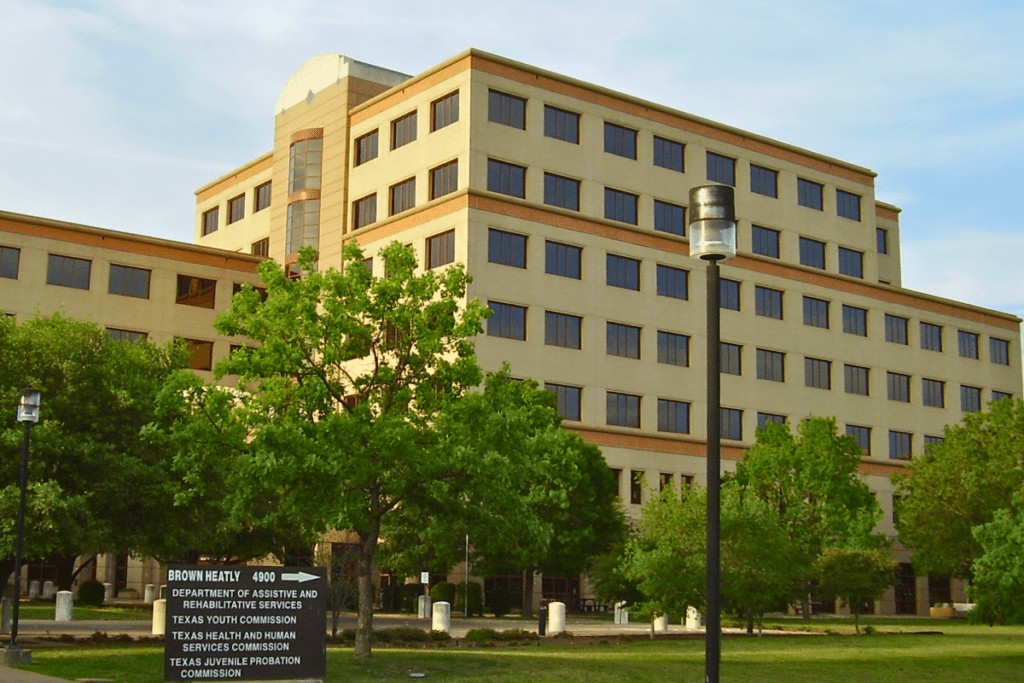
The Texas Health and Human Services Commission (HHSC) has requested $300 million from state lawmakers to address significant issues within the state’s Medicaid enrollment system. The funds would be used to hire additional staff and update outdated technology that is currently hindering timely Medicaid applications. This request comes as Texans face long waits—sometimes months—before receiving approval for benefits like Medicaid and food stamps.
The request marks a critical moment for the state’s Medicaid and public assistance programs, which have been under strain after the pandemic. The HHSC aims to reduce delays in processing Medicaid applications, potentially improving the experience for vulnerable Texans in need of healthcare and food assistance.
Medicaid Application Backlog: A Growing Crisis
Applicants Face Unacceptable Wait Times
The state of Texas is currently experiencing a backlog of Medicaid applications, with some residents waiting over two months for approval. As of December 2024, the wait time for processing a Medicaid application for both children and adults was reported to be 59 days, down slightly from 71 days just weeks earlier. The HHSC states that federal rules require Medicaid applications to be processed within 45 days, while food stamp applications must be reviewed within 30 days. However, these timelines are not being met, and the backlog is growing, leaving many Texans without the vital assistance they need.
TIERS System: Outdated and Overburdened
The Problem: An Outdated Computer System
The root cause of the Medicaid delays lies in the Texas Integrated Eligibility Redesign System (TIERS), a computer system introduced in 2003. Despite its original goal to streamline the process, TIERS has become a cumbersome and inefficient system that requires staff to manually input data for each applicant. The system is now over two decades old, and its limitations are becoming increasingly apparent. Workers often have to re-enter the same information in multiple places, leading to delays and mistakes that further hinder the application process.
Health advocates have been vocal about the need for updates to the TIERS system, arguing that the slow and outdated process is contributing to the mounting frustration for both applicants and workers. Diana Forester, director of health policy for Texans Care For Children, compared the system to the old video game The Oregon Trail, noting that it is “time-consuming and frustrating to use.”
The Request: A $300 Million Investment for Change
Plans to Improve System Efficiency
To address these ongoing issues, the HHSC has requested $300 million in state funding to hire more than 1,000 new employees and make critical upgrades to the TIERS system. If approved, this investment could dramatically improve the efficiency of Texas’ Medicaid enrollment process, enabling vulnerable residents to receive benefits much faster than they do now.
The funding would also be used to enhance the online application process, making it more user-friendly for applicants. Currently, many Texans encounter technical issues when applying for benefits, including difficulty navigating the online system or submitting documents. By updating TIERS and increasing staffing levels, the state hopes to reduce application times and ensure that Texans get the help they need in a timely manner.
The Impact: Thousands of Texans Affected
Why the Request Matters
As of late 2024, more than 130,000 Texans were waiting for their Medicaid applications to be processed. For many of them, the delay has been a source of stress and financial hardship. Medicaid is a critical program for children, the elderly, and individuals with disabilities, and access to healthcare is often dependent on timely approval. Long wait times mean that many people are forced to delay essential medical treatments or go without health insurance for extended periods.
Health advocates are particularly concerned about the impact on children, who make up a large portion of those affected by the delays. Peter Clark, a spokesperson for Texans Care For Children, highlighted that improving the Medicaid application process is a top priority for the organization. “The time is ripe to upgrade some of the things to prevent losing so many eligible people, mostly kids, into the program,” Clark said.
The Federal Unwinding: Exacerbating the Backlog
The Aftermath of the Pandemic
The ongoing backlog is also a consequence of the federal government’s unwinding of the COVID-19 pandemic-era policy that suspended periodic Medicaid renewals. As a result, many Texans who had been kept on Medicaid throughout the pandemic are now being removed from the program because they failed to submit renewal applications on time or due to bureaucratic issues with paperwork.
Since the end of the pandemic-related protections, hundreds of thousands of Texans have lost their Medicaid coverage. The federal government’s reinstatement of renewal requirements has placed an additional burden on the already-strained system, causing delays and coverage gaps for many low-income individuals and families.
Addressing the Barriers: Language, Technology, and Efficiency
Language Barriers and Technological Hurdles
For many Texans, applying for Medicaid or food stamps is not only time-consuming but also difficult due to language barriers and limited access to technology. Medicaid and food stamp applications are currently only available in English and Spanish, which creates challenges for non-English speakers. Health advocates, like Bernadette Segura, who works with Texas RioGrande Legal Aid, have called for the applications to be made available in additional languages, including Arabic, Chinese, and Vietnamese, to better serve the state’s diverse population.
Additionally, many applicants, especially those from low-income households, do not have access to the technology needed to navigate the online application process. Applicants are often required to use a smartphone or computer to submit their information, and those without access to these devices face significant barriers.
The Bigger Picture: A Call for Broader Reform
Medicaid Enrollment in Texas: A Longstanding Issue
The problems with Medicaid enrollment in Texas are not new. For years, the state has faced criticism for its complicated and bureaucratic application process, which forces many applicants to jump through multiple hoops before they can receive benefits. Advocates have long called for reform to make the process more efficient, transparent, and accessible to all Texans.
The $300 million request is a step in the right direction, but advocates warn that it may not be enough to address all the systemic issues that plague Texas’ Medicaid enrollment system. Anne Dunkelberg, a former health policy director at Every Texan, emphasized that Texas has a decades-long history of making enrollment and renewal difficult, which has led to thousands of eligible individuals losing access to essential services.
Will the Texas Legislature Act?
The Future of Medicaid Enrollment in Texas
The HHSC’s request for $300 million to improve the Medicaid enrollment system is a critical step toward fixing a broken system. If lawmakers approve the funding, it could lead to faster processing times, a more efficient system, and better access to healthcare for thousands of Texans. However, with Texas’ history of tight budgets and resistance to expanding public services, it remains to be seen whether the legislature will take action.
As the Texas Legislature prepares to convene in January 2025, health advocates are hopeful that the state will prioritize Medicaid reform and approve the necessary funding to fix the enrollment system. If granted, this investment could significantly improve the lives of vulnerable Texans and ensure that they receive the benefits they are entitled to in a timely and efficient manner.